

Rory McIlroy has reached a position in professional golf where his PGA schedule is entirely his own. That much is no longer debated. After completing the career Grand Slam at The Masters in 2025 and defending the title again this year, McIlroy operates from a tier few players in history have occupied. His presence alone can define the relevance of an event. His absence can, just as easily, expose its limits.
A Star With Full Control and the Consequences That Follow
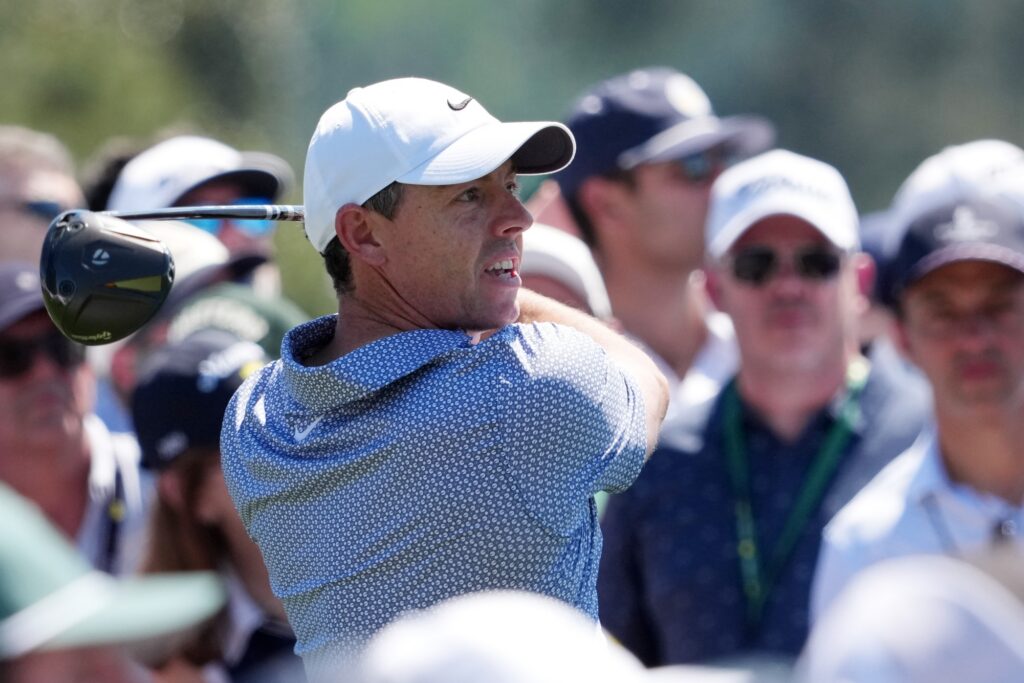
That tension is now front and center. McIlroy’s decision to skip the Cadillac Championship marks the second consecutive PGA Tour Signature Event he has passed on, and the reaction has been immediate. Not because he lacks justification, far from it, but because the system surrounding these events appears increasingly fragile when its biggest star opts out.
The PGA Tour designed Signature Events with a clear objective: guarantee stronger fields, attract sponsors, and create must-watch moments by clustering elite talent. In theory, it was a clean solution to a fragmented competitive landscape. In practice, it is proving far more complicated.
A PGA Schedule That Forces Uncomfortable Choices
The scheduling tells part of the story. Two high-profile events stacked closely ahead of a major effectively force top players into a choice: overextend across three demanding weeks or step back and prioritize longevity. McIlroy’s absence reflects that calculation, not indifference. Yet the optics remain difficult for a Tour that sold these events as essential viewing.
Fan frustration has followed predictably. Some point to what they see as inconsistent enforcement of participation expectations. Others question how a premier sports league can allow its most recognizable figures to bypass marquee events without consequence. The criticism is not directed solely at McIlroy, but at the structure that makes his decision both logical and controversial.
A Model Under Pressure From All Sides
There is also a broader undercurrent tied to recent disruptions in professional golf. With rival circuits drawing top talent and reshaping incentives, the PGA Tour’s effort to consolidate its product through Signature Events was meant to restore clarity. Instead, moments like this reopen questions about control, balance, and what exactly defines a “must-play” tournament.
Brian Rolapp and PGA Tour leadership now face a narrowing window to refine the system. Adjusting spacing between events is an obvious starting point, but it does not fully resolve the issue. The deeper challenge lies in aligning player autonomy with sponsor expectations and fan engagement, three forces that are not naturally in sync.
McIlroy has earned the right to choose his path. The problem for the PGA Tour is that its choices are beginning to reveal the limits of theirs.

