

The PGA Tour’s decision to remove Hawaii from its upcoming schedule has triggered a wave of reaction, and not the quiet kind. For decades, the islands were more than just a scenic stop; they were a reliable fixture, a season opener, and for many, a symbolic gateway into the golf year.
A PGA Decision Driven by Dollars, Not Tradition
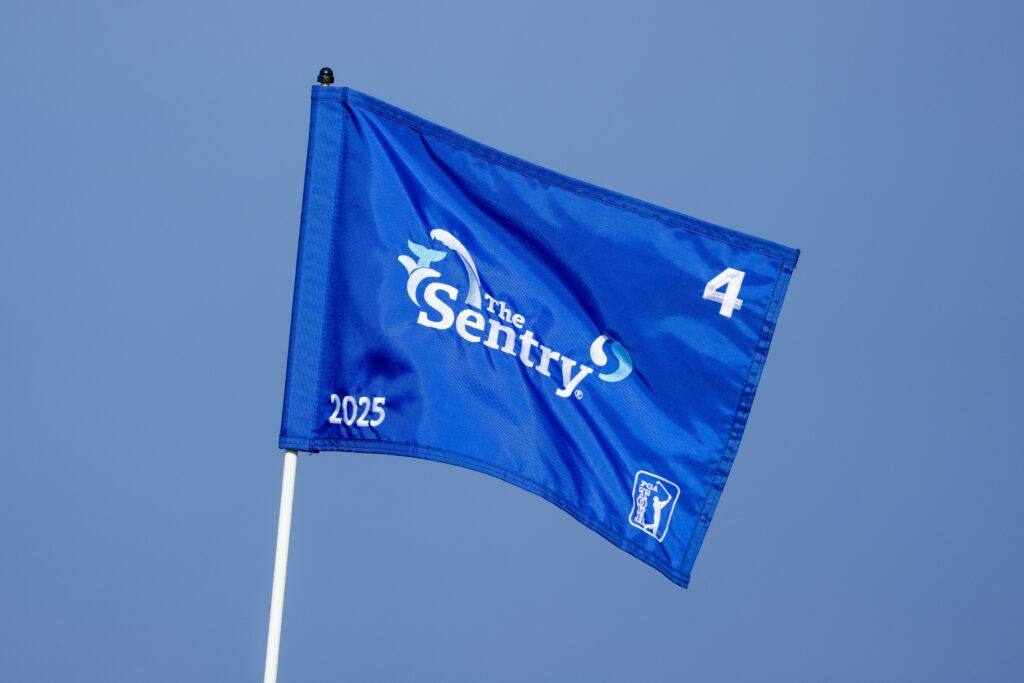
Golf analyst Mark Rolfing didn’t hide his frustration. The announcement, as he describes it, arrived incomplete, heavy on what’s being cut, light on what comes next. The removal of The Sentry at Kapalua stands as the clearest signal yet that the PGA Tour is recalibrating its priorities, and not in Hawaii’s favor.
For nearly 60 years, professional golf maintained a consistent presence across Maui, Oahu, and the Big Island. That continuity is now being disrupted by a shift in financial strategy. According to Rolfing, the PGA Tour’s evolution into a for-profit entity has forced a sharper focus on markets that deliver higher returns, particularly in television ratings and sponsorship revenue. Golf, with its relatively small audience, struggles to compete with sports like football, where viewership numbers dwarf everything else.
Economic Impact and Charity Take a Hit
The economic consequences are immediate. The Sony Open alone generated $54 million in statewide impact, drawing visitors and supporting local businesses. Beyond tourism, the tournament has long fueled charitable efforts. Friends of Hawaii Charities, closely tied to the Sony Open, has raised over $28 million since the late 1990s. That pipeline now faces uncertainty, along with the exposure it entails.
A Cultural Loss for Local Players and Fans
But the loss isn’t just financial. It’s deeply personal for players and fans tied to the islands. Former champion David Ishii recalls the early inspiration that shaped his career, moments as a child watching legends like Arnold Palmer and Jack Nicklaus compete in Hawaii. Those events weren’t just tournaments; they were entry points, creating aspirations for local players who saw a future in the sport.
Rolfing maintains that Hawaii still holds value as an international destination, particularly as a bridge to global audiences. Whether that argument carries enough weight in the PGA Tour’s new business model remains unclear.
There is, however, a faint path forward. Discussions are underway to place the Sony Open on the PGA Tour Champions schedule, a move that could preserve some level of professional golf presence in the islands. It’s not a replacement for what’s being lost, but it suggests the door isn’t fully closed, at least not yet.

