
Your grip — that thing you probably haven’t thought about since your buddy gave you a hand-me-down driver in 2009 and said, “Just hold it like a baseball bat and swing hard.” But here’s the reality: your hands are the only physical connection you have to the golf club, and if that connection’s off? Forget everything else. Swing mechanics, tempo, alignment — none of it matters if your grip is a mess.
Now, I know what you’re thinking: “Come on, Lenny, messing around with grip is boring. Let me go rip some drivers.” And look, I hear you. Nobody’s doing fist pumps on the range after adjusting their lead thumb. But you know who is obsessing over their grip every day? Scottie freaking Scheffler. That guy isn’t just hitting bombs for fun. He’s using a molded grip trainer and double-checking hand placement before every shot. If it’s important enough for the world’s top players to spend time on it — it should be important for you too.
Your thumb is probably lying to you
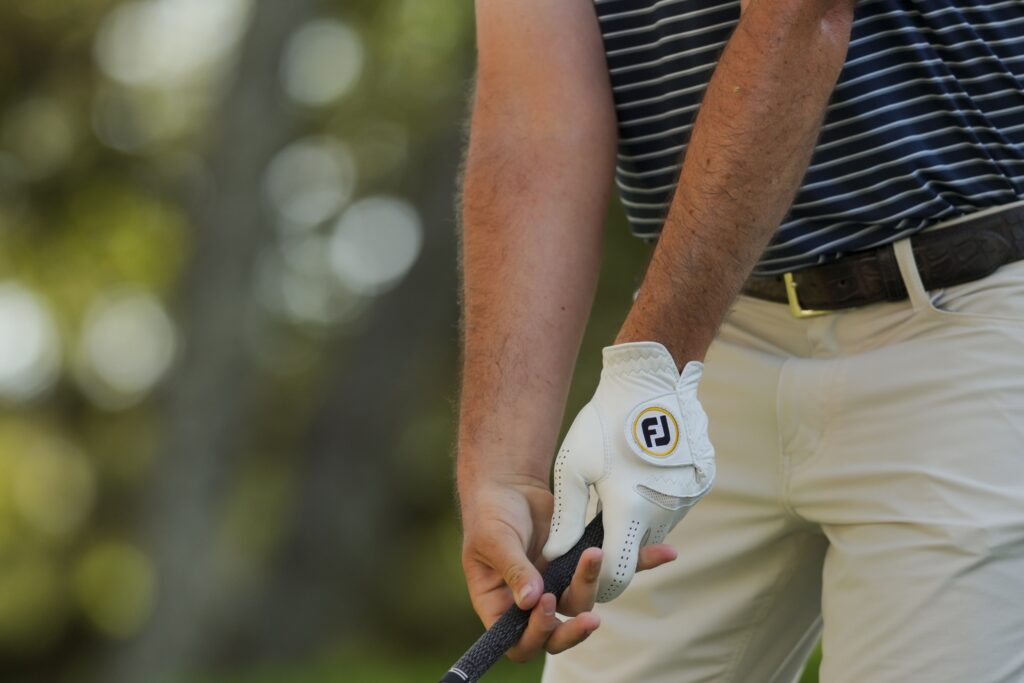
Let’s dive in. Mike Dickson, one of GOLF’s Top 100 Teachers, dropped some serious knowledge about thumb placement — and how most amateur golfers (yes, you again) are sabotaging their own swings with one simple mistake: putting the lead thumb right down the center of the shaft. Huge no-no. That’s the fast track to slicing, casting, weak shots, and general frustration.
Why? Because a bad thumb position wrecks your control over the club face. And when you lose the face, you lose the ball. Athletes coming from other sports — baseball, tennis, hockey — are used to using thumbs as passive passengers. But in golf? Thumbs matter. They help stabilize that face when it’s flying through the zone at 90+ mph.
Build your swing like a Tour pro — not a weekend warrior
So here’s the fix: Get out a glove, mark a dot on the web between your thumb and index finger — your anatomical GPS — and line that up with the shaft. That’s your real center. From there, build the grip by setting the heel pad first, then the thumb pad, and finally wrap those fingers around. Trail hand comes in, nice and easy, and boom — now you’re in Tour territory.
But don’t just walk up and slap your feet down like most weekend warriors. Take a cue from the pros: Grip the club in the air, not on the ground. Visualize the shot. Set the face. Then — and only then — build your stance. The whole process looks cleaner, smoother, and sets you up for consistent contact.
If it feels weird, good — that means it’s working
Here’s the kicker: if this new grip feels strange at first? That’s not bad. That’s the sound of bad habits dying. Most golfers get so used to compensating for a poor grip that when they finally put their hands in the right spot, it feels wrong. But hang in there. Stick with it. Trust the process.
Because once you stop fighting the club — once you start controlling it — your whole swing will change. Straighter shots. More power. Better consistency. And the confidence that comes with knowing you’re finally gripping the club like someone who didn’t just borrow it from a garage sale.
So next time you’re out there wondering why your swing feels like it’s held together with duct tape, look down. Are your hands lying to you? Are you trusting a thumb that’s been sabotaging you this whole time?
Fix your grip. Find your game.