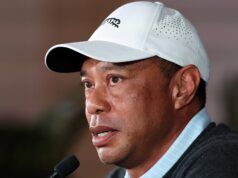

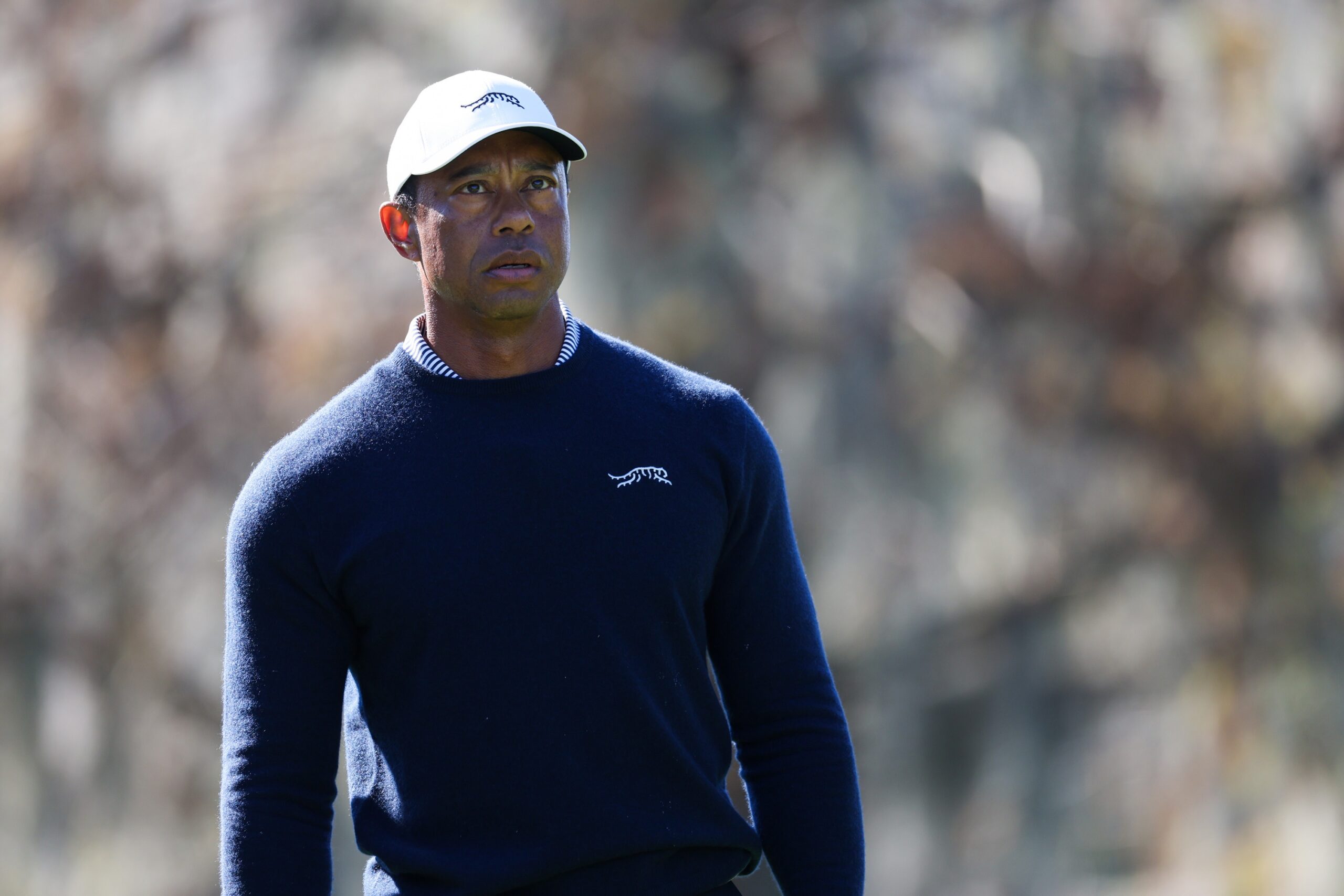
Tiger Woods stepped away from professional golf, issuing a statement that signaled a sharp and necessary pause in one of the most scrutinized careers in sports. The decision follows a rollover crash last week in Jupiter Island, Florida, an incident that quickly evolved from a roadside accident to a legal and personal reckoning.
Woods’ Crash Details Raise Immediate Questions

According to authorities, the crash occurred shortly after 2 p.m. on a two-lane road near Woods’ residence. Investigators said Woods attempted to pass a pressure cleaner truck, then swerved mid-maneuver and clipped the trailer. The impact sent his Land Rover rolling onto its side. Despite the severity of the crash, no injuries were reported. Woods was later arrested on suspicion of driving under the influence and has since pleaded not guilty.
A Statement Focused on Recovery, Not Golf Return
In his statement, Woods did not dwell on the mechanics of the crash. Instead, he focused on what comes next. He described the situation as serious and confirmed he would step away from competition to seek treatment and prioritize his health. The language was measured but direct, pointing to a recovery period that extends beyond physical rehabilitation.
The timing is significant. Woods had been building toward a return after disc replacement surgery last October, a procedure that once again raised questions about the longevity of his playing career. His last official PGA TOUR appearance came at the 2024 Open Championship, though he remained visible through the TGL Finals Series in March. The Masters, long tied to Woods’ legacy, now moves forward without him.
Golf World Responds as Masters Moves On Without Him
Support from the golf world followed quickly. The PGA TOUR emphasized Woods’ standing not just as a competitor but as a person, shifting the focus from trophies to well-being. CEO Brian Rolapp echoed that sentiment, referencing both Woods’ influence on the sport and his personal relationships within it.
Woods’ career has repeatedly intersected with moments like this, periods where performance, injury, and personal challenges collide. Each time, the response has been met with a mix of public scrutiny and institutional support. This instance is no different, though the tone suggests a deeper acknowledgment of limits.
For now, the path is clear: no competition, no immediate return timeline, and a stated commitment to recovery. Woods asked for privacy, a request that contrasts sharply with the constant attention that has defined his career. Whether this pause becomes a turning point or another chapter in a long sequence of comebacks remains uncertain, but the immediate priority has shifted entirely away from the course.