
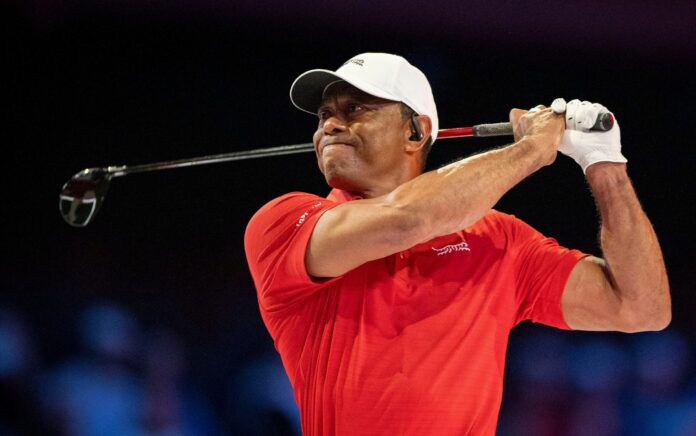
Tiger Woods turned down a reported $750 million offer to join LIV Golf, a decision that now looks like a masterstroke of career management. The breakaway league, which once promised guaranteed nine-figure contracts to top players, has officially folded after failing to secure new funding. Woods understood the game’s roots better than the league’s investors, and his refusal to sign has spared him from the mess that followed. The Saudi Public Investment Fund pulled its support in April, and a planned $300 million investment from BC Partners Credit fell through just days ago. This financial collapse confirms that the model Woods questioned was never sustainable.
Woods, who has built his legacy through hard work, questioned the incentive structure of the easy money LIV offered. He believed that golfers need to grind to improve their games, something a guaranteed check cannot replace. The league wanted to buy players without them having to compete for their spots, a move Woods knew would damage the sport’s integrity.
Financials Failed to Attract Top Talent
Rory McIlroy delivered a blunt assessment of why LIV Golf failed to survive. Speaking to Today’s Golfer on Friday, the Northern Irishman explained that the league’s new terms were unappealing to the best players. The original plan involved massive signing bonuses, but the revamped “LIV 2.0” model offered equity instead of cash. McIlroy pointed out that the reduced prize money and lack of upfront payments made the deal impossible to sell. “It was always going to be very hard for them to get enough players to sign up for what they were proposing which was smaller prize money, no upfront payments,” he said, according to GolfMagic. The math simply didn’t add up for the players who had other options.

Jon Rahm, the tour’s most successful defector, also rejected the new terms. He told reporters at the DP World Tour’s Abu Dhabi Aldar Championship that he liked the initial idea but hated the changes. “Why I rejected the terms? As much as I liked the project and the idea on, let’s say, LIV 1.0, I wasn’t thrilled with the changes they were doing to 2.0 and I just wasn’t willing to follow that path,” Rahm told reporters this week, according to Sports Illustrated. He added that the new offer “wasn’t anything special, anything that stood out.” Other stars like Sergio Garcia, Tyrrell Hatton, Ian Poulter and Louis Oosthuizen also bailed on the league. The failure to lock in these players meant the league could not generate the interest needed to survive.
The Path Forward for the Tour
With LIV Golf liquidating its assets, the focus shifts to where these players will compete next. The DP World Tour could benefit if former LIV members are required to qualify through its system. McIlroy sees this as a potential win for the traditional game. “It would be an amazing thing for this tour if all those guys were funnelled through the DP World Tour and were made to qualify that way,” he said. This approach would ensure that players earn their spots based on performance rather than a check. The collapse of LIV Golf removes a disruptive force that had been plaguing the sport for five years. Woods’ decision to stay on the traditional path allowed him to avoid the fallout of a failed experiment. The league’s lawyers confirmed in a New Jersey bankruptcy court that they have abandoned restructuring plans. Woods was right to question the incentive structure, and the outcome proves his judgment was sound.

