
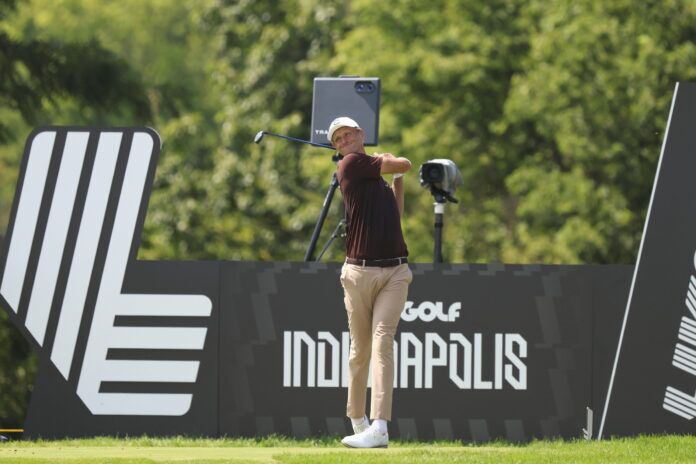
By April, the breakaway league’s doom was evident, and on Friday, the final chapter shut. LIV Golf admitted operations are ending, joining sporting ventures that vowed to transform the sport but collapsed. The Saudi-backed disruptor spent roughly $5 billion in a failed attempt to take over world golf, a sum that marks one of the most catastrophic financial ventures in sports history. A failed deal preceded this collapse, as BC Partners withdrew a $300 million financing offer one day before the announcement. Lacking that cash, the tour could not endure the wind-down process.
On Thursday, lawyers informed a New Jersey bankruptcy court that the group will not proceed with its “LIV 2.0” plan. To settle outstanding liabilities, the organization must sell off what remains of its holdings. While old contracts still leave hundreds of millions of dollars in debt to players, the bankruptcy proceedings are expected to restrict access to those funds. The league stated it would consider value-maximizing alternatives with third parties during the wind-down process.
The Financial Collapse
Despite spending $6 billion over five years, the Saudi Public Investment Fund has still been unable to make the math work. A clever yet flawed accounting strategy drove the collapse. The league intended to use Net Operating Losses (NOLs) to offset future profits, but this plan depended on the league remaining in business. Analyst Eckhardt noted that without future earnings, those NOLs are not useful. He added that they are not cash and only offset future profits. Since LIV is shutting down, these tax credits are now worthless.
LIV Golf CEO Scott O’Neil issued an emotional statement following the news. He praised the financial backers for their support during the four-year existence. “We thank our partners at the PIF for their collaboration and support, and BC Partners Credit for its engagement throughout this process,” added O’Neil, according to GolfMagic. He described the effort as “fun” and “demanding” while reflecting on the attempt to bring new fans to the sport.
Player Futures and Penalties
Cameron Smith, Jon Rahm, and Bryson DeChambeau now face a confusing future as top stars. A specific path back to major golf exists for DeChambeau, though it demands patience. Full playing privileges for the 2027 season were granted to him by the DP World Tour because he won the 2025 U.S. Open. To secure this spot, he must file paperwork by Nov. 14.
DeChambeau will compete in the Nedbank Golf Challenge in South Africa from Dec. 3-6. Rahm and Smith lack such an easy route, unlike other big names. Even if they wait, they face strict rules. Since 2022, winning a major or the Players Championship is required to be eligible for an invite.
A Flawed Business Model
LIV’s major problem was being a poor product that pushed weak ideas as supposed innovations. Teams with corny names and night golf events were completely ill-equipped to threaten a sport with deep heritage. Ian Poulter and Lee Westwood, representing spent forces, were easily lured, whereas star names like Rory McIlroy and Tiger Woods stayed far more sceptical. Despite the failure, some players still defend the original concept. Bryson DeChambeau told the “Figuring Out” podcast that the business model makes a lot of sense. Although those hopes died with the bankruptcy filing, he also claimed the league was working on a new model that would “make full financial sense” and exist forever.
The decision by the golf league, announced Thursday, that overturned the sport since its 2022 launch, came after lawyers disclosed. the “debtors are not currently proceeding with the LIV 2.0 plan.” A formal filing to the U.S. court confirmed the end of the experiment.

