

The conversation around LIV Golf’s competitive edge has been simmering for months, but Augusta has a way of forcing the issue into the open. The 2026 Masters did exactly that, and the results were difficult to ignore.
Ten LIV players entered the field. By Friday evening, half were gone. By Sunday, only Tyrrell Hatton had managed to place inside the top 20. For a league still trying to establish itself as a legitimate proving ground for elite competition, the optics were stark.
LIV Field Cut in Half
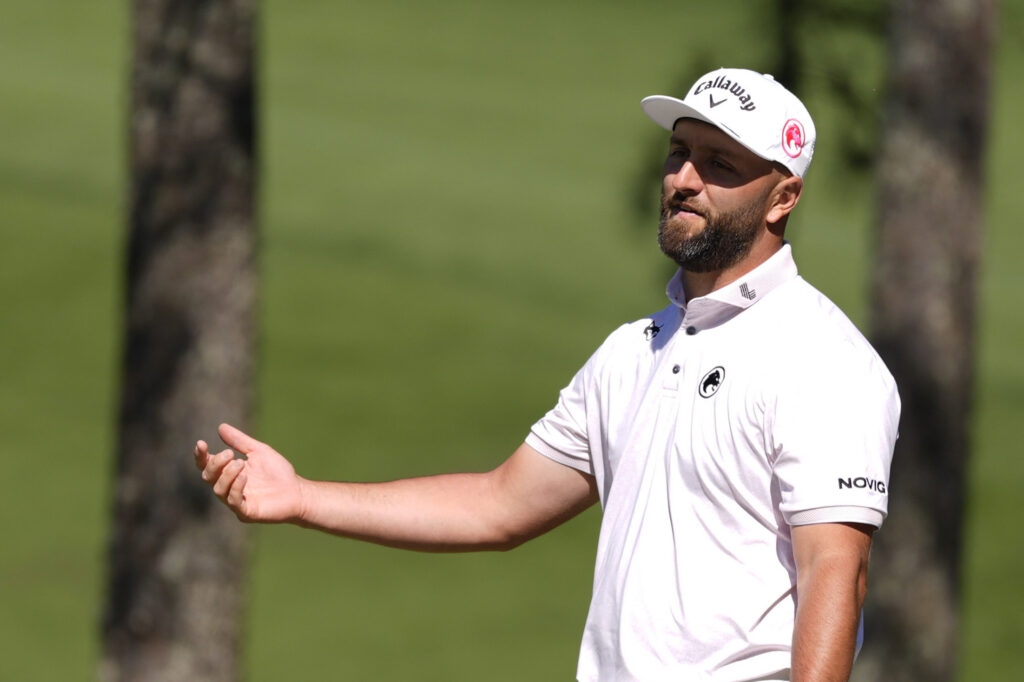
Jon Rahm, one of LIV’s most high-profile signings and a former Masters champion, found himself grinding just to make the cut after an opening-round 78. He recovered enough to survive the weekend, but the broader trend has become harder to dismiss. Since joining LIV, Rahm has now recorded his two worst finishes at Augusta. When questioned about whether the LIV schedule provides adequate preparation, his response was short and firm, offering no real ground to the criticism.
Others have been far less restrained. Eddie Pepperell’s assessment cut directly to the structure of LIV’s calendar and the lifestyle surrounding it. His argument centered not just on performance, but on preparation, or the lack of it. Extensive travel, limited play in the United States before the Masters, and a schedule that doesn’t mirror the traditional PGA or DP World Tour build-up have, in his view, left players arriving at Augusta a step behind.
Golf Preparation vs Reality
The contrast, as he framed it, is simple. While LIV players have been moving across continents, their rivals have been competing week to week in familiar conditions, sharpening their games in Florida and on the West Coast. By the time Augusta arrives, one group is settled and tested; the other is still adjusting.
Sergio Garcia’s week added another layer to the scrutiny. His T47 finish was largely overshadowed by a visible loss of composure during the final round, where frustration boiled over into club damage and a breach of decorum that stood out even more given Augusta’s rigid expectations. For Pepperell, it wasn’t just an isolated moment, but a reflection of something deeper, a lapse in standards in an environment that traditionally demands the opposite.
Sharper Outside the LIV Bubble
Perhaps the most telling comparison came from those no longer in LIV’s ranks. Brooks Koepka and Patrick Reed, both having moved on, looked sharper, more competitive, and far more in tune with the demands of a major championship. Koepka, in particular, appeared physically and mentally reset, the kind of presence that suggests contention rather than survival.
Augusta doesn’t manufacture narratives; it exposes them. This year, the gap between preparation and performance was difficult to explain away. Whether it stems from scheduling, environment, or priorities, the outcome was the same: LIV Golf left Augusta with more questions than answers.

