There’s a certain kind of golf wisdom that never shows up in instruction manuals, never gets diagrammed in glossy tip sections, and never earns a slow-motion breakdown on television. It lives somewhere between common sense and lived experience, occasionally dressed up as humor, which is exactly where Leslie Nielsen planted his flag. His “Stupid Little Golf Book” reads like a parody, but tucked inside the jokes is something far more durable: a recognition that how you move around a golf course matters just as much as how you swing a club.
The Golf Cart Isn’t a Toy, Even When the Joke Lands

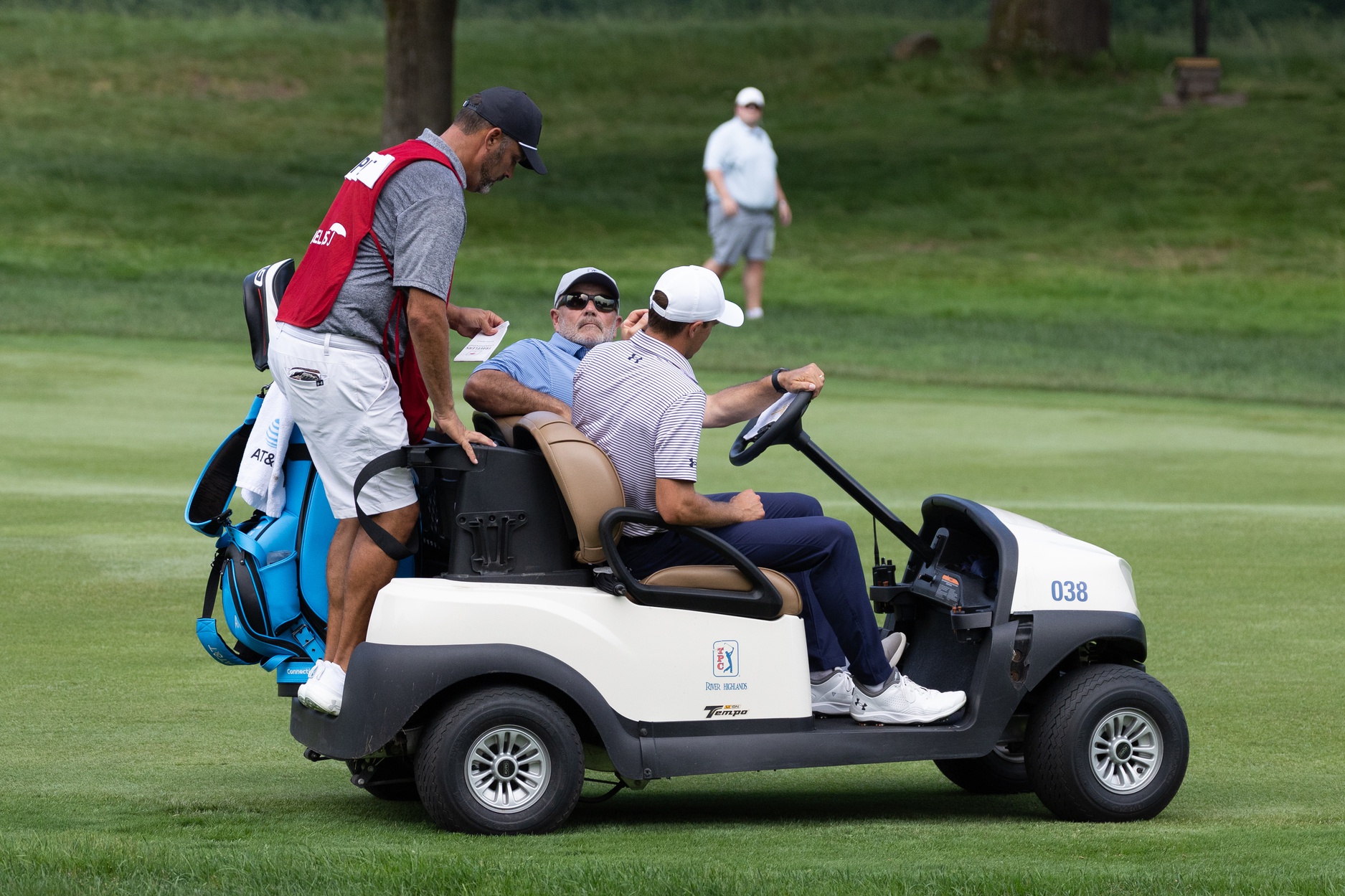
Take the cart, for example. In Nielsen’s world, it’s a vehicle for chaos, sudden accelerations, reckless detours, and leaf-slapping mischief. In the real world, it’s often the quiet source of frustration, slow play, and unnecessary wear on a course. The gap between those two versions is where etiquette steps in, not as a set of stiff rules, but as a kind of operating system for keeping the round intact.
The 90-degree rule sounds technical until you watch what happens when it’s ignored. Tires carve up soft turf, fairways lose their shape, and what should be a clean approach turns into a patchwork of ruts. It’s a small adjustment, staying on the path until the right angle presents itself, but multiplied across dozens of carts, it becomes the difference between preservation and damage.
Small Decisions That Prevent Bigger Problems
Safety tends to announce itself only after it’s been overlooked. A cart parked in the wrong place, a quick turn taken too fast, a distracted moment in the line of fire, none of these feels significant until they are. The so-called Darwin Award rule isn’t clever; it’s preventative. Golf may not look dangerous, but a misjudged shot travels faster than most people react.
Then there’s the pace of play, where carts reveal their paradox. They promise speed but often deliver delay. Two players sharing a cart can easily fall into a rhythm where one hits while the other watches, then they switch roles, stretching what should be a continuous flow into a staggered sequence. The fix is simple but requires awareness: drop off, move ahead, be ready. Motion, not convenience, is what keeps a round moving.
How You Park, Wait, and Leave Matters More Than You Think
Even the quieter moments, where you park near a green, how you handle reverse, whether you leave behind a trail of trash, add up. None of these actions draws attention on its own. But together, they shape the experience for everyone else on the course, seen and unseen.
Nielsen’s jokes land because they exaggerate behavior that, in milder forms, shows up every day. Strip away the punchlines, and what remains is a straightforward idea: the cart isn’t just transportation. It’s part of the game’s rhythm, and how you handle it either smooths the day out or quietly unravels it.