

Few topics in golf generate more universal frustration than slow play. Professional tournament rounds drifting toward six hours have become a constant talking point, while club golfers regularly leave the course complaining about groups ahead who appeared to treat every shot like a life-or-death decision. Nearly every golfer can identify the players at their club whose names on the tee sheet immediately trigger groans.
Slow play remains one of the quickest ways to drain enjoyment from a round. Endless waiting destroys rhythm, stretches a casual afternoon into an all-day commitment, and leaves players spending more time standing still than actually golfing.
But there is another type of golfer capable of making a busy day on the course almost as unpleasant.
Not the genuinely efficient golfers who move briskly, stay ready when it is their turn, and naturally maintain pace without rushing anyone else. Those players are generally appreciated by everyone around them.
The issue is the golfer who refuses to accept the pace at which the course is realistically moving.
When Fast Golf Becomes the Problem
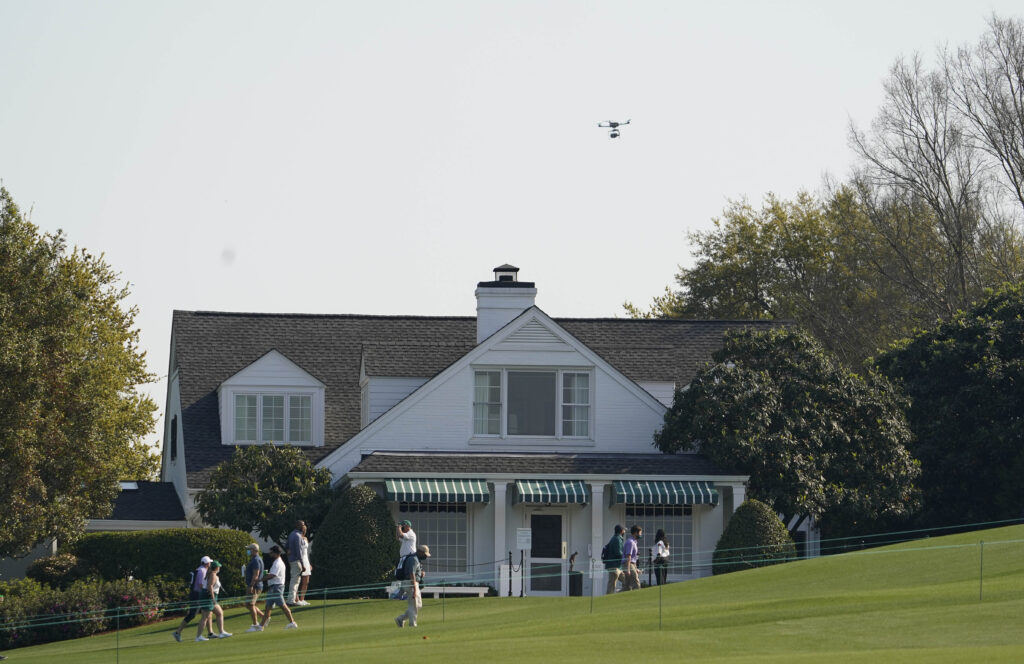
Every regular golfer has encountered the type. The group charges onto the next tee before the players ahead have even finished putting. The player is standing impatiently in the fairway, arms folded and hands on hips, as though a slight delay is a personal insult. The golfers who race through their own shots so aggressively that they end up hovering directly behind the group ahead, despite the entire course being visibly backed up.
There is a clear difference between maintaining pace and treating normal congestion like a personal attack.
On crowded weekends, courses often become slow simply because every tee time is occupied. Groups wait on every tee shot because the group ahead is waiting too, creating an unavoidable chain reaction throughout the course. Yet some players continue behaving as though the delay exists solely because the group immediately ahead is moving too slowly.
The result is a strange form of pressure that can make even a perfectly reasonable round feel tense.
Golfers who are normally conscious about pace often become increasingly anxious once another group begins arriving directly behind them on every hole. Even when there is nowhere for anyone to go, the constant presence of impatient players creates the sense that the group ahead must somehow be causing a problem.
In reality, many busy rounds are simply moving at the maximum speed the course allows.
The Obsession With Finishing Quickly
The obsession some golfers have with finishing quickly only adds to the issue. Fast rounds are increasingly worn as badges of honor, with players proudly announcing how quickly they completed 18 holes as though speed itself was the primary objective.
For many golfers, however, the entire purpose of recreational golf is to enjoy several hours outdoors with friends. A packed course inevitably slows things down, just as heavy traffic slows a road. Sitting closer to the car in front does not make the journey faster, and the same principle applies on the golf course.
Golf is not designed to function like a race. Yet some players approach every round as though breaking the three-hour mark matters more than actually enjoying the day. Busy courses become sources of irritation rather than environments that naturally require patience.
That mentality often creates more tension than the delays themselves. A normal weekend round suddenly feels rushed because one group insists on behaving as though everyone else is personally responsible for preventing them from setting a course-speed record.
Why Playing Through Isn’t Always the Answer
Playing through is often presented as the obvious solution, but on crowded days, it frequently changes very little. If every hole ahead is already occupied, allowing another group through simply moves them into the same queue. In some situations, repeatedly stopping to wave groups through can even create additional delays behind.
That does not mean slow play should be excused. Golfers who routinely lose holes, take excessive practice swings, spend several minutes reading putts, or refuse to let faster groups through when there is open space ahead remain a major problem.
But there is an equally exhausting dynamic created by golfers who turn every busy round into a race against the clock.
Weekend golf is supposed to be enjoyable. Keeping pace matters. Ready golf matters. Courtesy matters.
What does not help is acting as though a crowded course constitutes a personal injustice whenever a brief wait becomes unavoidable.

