
Coming into 2026, the professional golf landscape feels like a paradox. On the one hand, the PGA Tour and LIV Golf appear as disconnected as ever, racing along diverging tracks with no merger in sight. Yet, somehow, they’re beginning to resemble each other more than anyone would’ve guessed back in 2022. The PGA Tour is moving toward a more exclusive structure, gutting the lower tier of its events in favor of a sleeker, elite-focused schedule. Meanwhile, LIV, long marketed as golf’s rebel force, has started to conform, adopting 72-hole formats in a subtle nod to traditionalists.
But while the cold war between circuits rages on, the real buzz in golf isn’t confined to fairways and flags. It’s leaking out into YouTube shows, stadium-style experiments like TGL, and fledgling concepts like the Grass League. Even so, 2026 promises high drama for the traditional game, especially with five bold predictions already beginning to simmer.
LIV’s star power continues to fade on golf’s biggest stages
Since its inception, LIV has chased legitimacy through major victories, but the numbers don’t lie: only two wins in 14 majors by current LIV players, none in 2025. This season, the outlook is bleaker. Jon Rahm and Bryson DeChambeau may remain threats, but outside of them, LIV’s competitive roster has thinned. Joaquin Niemann is struggling, Hatton is consistent but unproven on the biggest stage, and Koepka, Johnson, and Smith have disappeared from the leaderboard conversation. With Scottie Scheffler maintaining a generational level of consistency and Xander Schauffele poised for a bounce-back year, LIV may again be left on the outside looking in.
Scheffler’s U.S. Open triumph feels inevitable

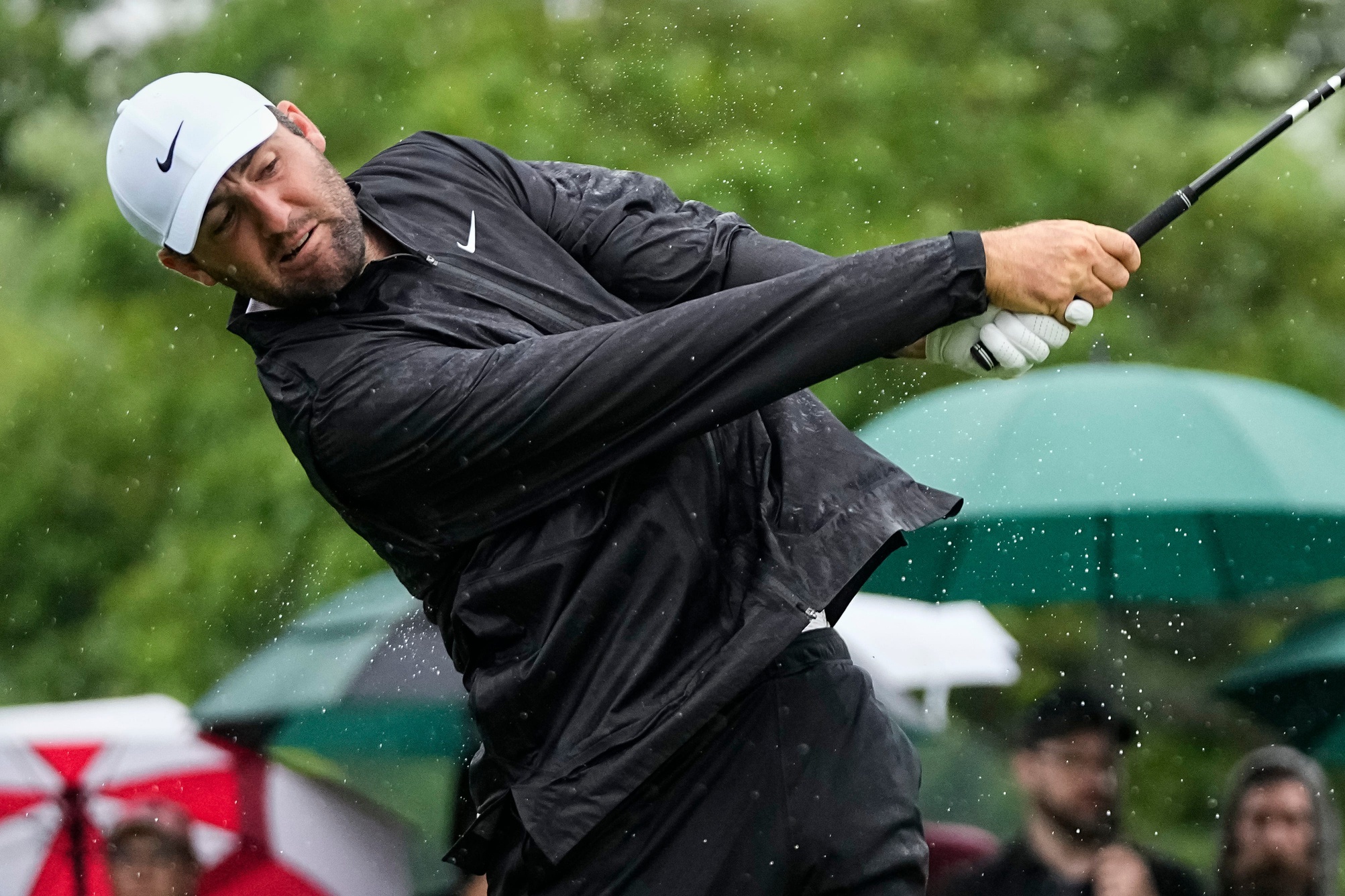
Scottie Scheffler is already a generational talent, with two green jackets, a PGA Championship, and an Open Championship under his belt. Only the U.S. Open remains. At Shinnecock Hills, a venue demanding surgical ball-striking and mental fortitude, Scheffler’s game could align perfectly with the task. He’s knocked on the door before, T7, T2, 3rd, and now, he might just kick it in. If he does, he’ll become just the seventh player in history to complete the career Grand Slam. The brutal test that Shinnecock presents, where par is precious, and errors are punished, is tailor-made for Scheffler’s machine-like consistency and emotional equilibrium.
The long-awaited breakthroughs of Young and Fleetwood may finally arrive
For years, Cameron Young was golf’s great unsolved mystery. In 2025, the equation began to resolve. A first win at the Wyndham, a dominant Ryder Cup run, and five straight top-11 finishes suggest his time is here. His metrics, distance, approach, and now elite-level putting make him a multidimensional threat. This is the year Young becomes more than a promise.
Then there’s Tommy Fleetwood, who has flirted with major success for nearly a decade. His Tour Championship breakthrough changed the narrative, and his rise to No. 2 in Data Golf is no accident. Fleetwood continues to shine in DP World Tour events and seems to be in the sweet spot of his career. With The Open returning to Royal Birkdale, the course of his childhood, Fleetwood has the tools, the form, and now the storyline for a defining win.
One more subplot worth watching: Brooks Koepka. With form fading, his Data Golf ranking in freefall, and the majors no longer providing a stage for dominance, a return to the PGA Tour might be the only path back to relevance. Whether it’s a quiet exit from the spotlight or a dramatic homecoming, Koepka’s next move could be one of 2026’s most fascinating twists.
If these storylines play out, 2026 won’t just be another year in golf; it’ll be a turning point.