

We’ve all been here, usually more than once in the same golf round. You lag a putt up to the hole and leave yourself something short. Maybe it’s inside two feet, or it’s three. Maybe it’s that angry little five-footer that feels harmless until you’re standing over it. Your playing partners, acting in good faith and following the unspoken customs of the game, wave you off. That’s good. Pick it up. We’re just out here having fun.
And sometimes they’re right. Sometimes the putt really is automatic. A straight, flat tap-in that feels more ceremonial than competitive. But every golfer also knows the truth that lives just beneath the surface: the range between two and five feet is where confidence quietly goes to die.
The Pressure of a Putt You’re “Supposed” to Make
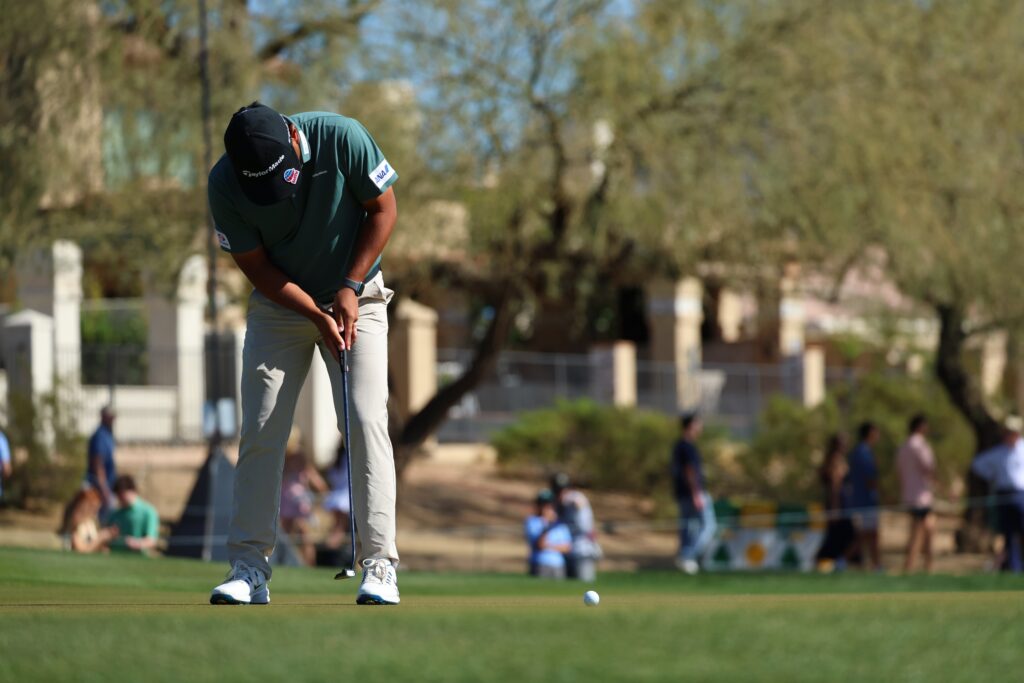
There is a unique weight attached to a short putt. On paper, it’s nearly guaranteed. The odds say it should fall more than 98 percent of the time. But golf isn’t played on paper, and those last few feet have a way of exposing doubt. Miss it, and the air changes. Conversations stop. Shoes shuffle. Everyone pretends not to notice, which somehow makes it worse.
That discomfort is exactly why “gimme” culture exists. It’s a courtesy designed to save face, a collective agreement to bypass an awkward moment. The problem isn’t the intention, it’s the habit that follows.
How Golf Scores Quietly Become Negotiations
Golfers tend to negotiate with the game. A mulligan off the tee. A generous drop. A ball nudged out of the roots. And, of course, every putt inside four feet quietly erased. Add it all together, and a round that should have been a 95 starts getting discussed as an 88.
What makes this rule unique is that golf allows it. Scores are self-reported, enforcement is optional, and the temptation to shave strokes is always there. Gimmes are the easiest shortcut of all because they come with social approval. No one argues when a putt is conceded, even when everyone knows it wasn’t a lock.
Why Hitting 18 Cups Actually Matters
This isn’t an argument against fun or friendship. Golf is a social game, and casual rounds don’t need tournament-level scrutiny. But there is a difference between enjoying the day and celebrating a score that wasn’t earned. At some level, golfers always know when they’ve cut corners.
There is nothing stopping anyone from finishing every hole. You’ve paid to play the course, and that includes the right to hear the ball drop into the cup. That sound is definitive. It removes doubt. And when you make a short putt that actually matters, especially for par or birdie, the satisfaction is real.
Gimmes don’t meaningfully speed up the game, and they don’t make anyone better. They just replace certainty with assumption. Hitting 18 cups, on the other hand, leaves no questions. And in a game built on honesty, that might be the point after all.

