
The PGA Tour is eyeing some serious transformation in 2027, and if the early signals are to be believed, the next era of professional golf might look very different from the one fans are used to.
Signature Events Could Be Scrapped Entirely
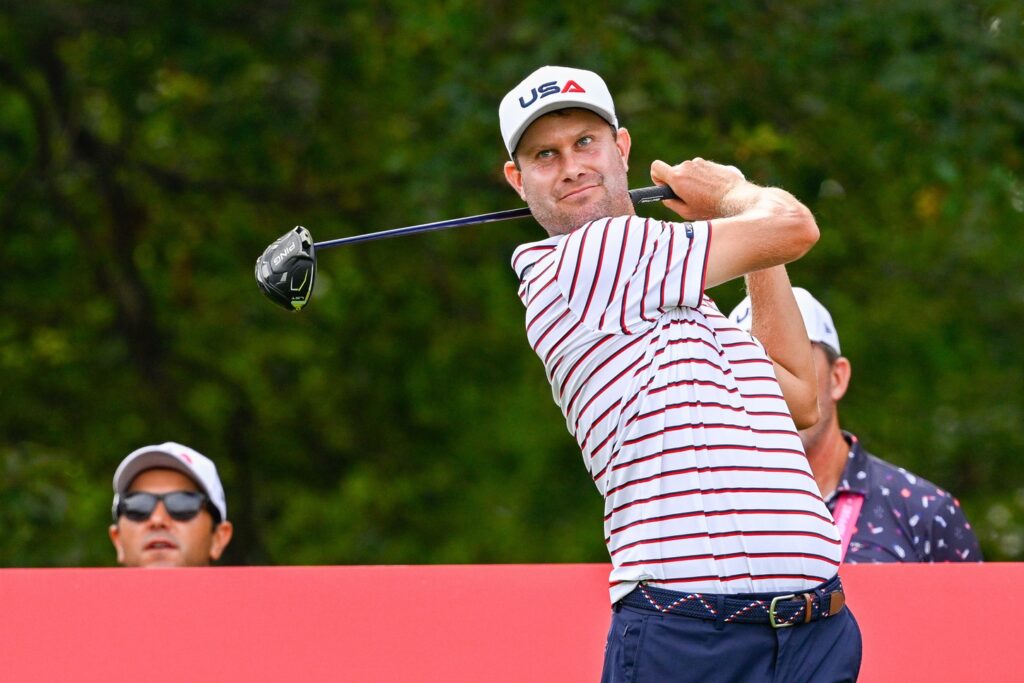
Speaking from the RSM Classic, Harris English, ranked 11th in the world and a Ryder Cup team member, dropped a few tantalizing hints about what could be on the horizon. The key takeaways? A possible end to the so-called “Signature Events” and a complete realignment of the season start, kicking off after the Super Bowl instead of competing head-to-head with America’s football obsession.
At first glance, that might seem like a surrender. But under the leadership of new CEO Brian Rolapp, this could be a tactical retreat to win a different kind of war, one over attention, viewership, and long-term fan engagement. Rolapp, who brings a media-savvy edge to the PGA Tour’s executive suite, appears laser-focused on making the sport watchable, not just visible. As he put it, “Competing with football in this country for media dollars and attention is a really hard thing to do.”
And he’s not wrong. In a sports landscape where the NFL dominates ratings from September to February, golf’s struggle for relevance in that timeframe has been persistent, if not punishing. Interestingly, this pivot comes decades after the then-commissioner Tim Finchem boldly declared a 20-year goal to surpass the NFL in popularity. Fast forward to 2025, and the tune has changed; now it’s about strategic timing, not stubborn head-to-heads.
A Tighter PGA Tour Schedule Could Mean More Star Power, More Often
The potential elimination of the Signature Events, planned for 2026, could lead to a tighter, more focused schedule with 20 to 22 events carrying equal weight. That would be a radical shift from today’s fragmented format. According to English, that kind of uniformity might be exactly what gets top players to commit consistently. “That’s where you’ll see all the top players play every single event,” he noted, “because you can’t really afford to take one off.”
If true, this change could mark a return to competitive urgency, a season where every event matters and skipping a week could jeopardize rankings or postseason positioning. It’s the kind of high-stakes environment that fans crave but rarely get in the current sprawl of the Tour.
Tiger Woods Is Steering the Ship from Behind the Scenes
At the heart of this movement is Tiger Woods, now leading a newly formed committee tasked with rethinking professional golf’s structure from the ground up. Rolapp described it as starting from a “blank sheet of paper.” It’s not just about creating events anymore; it’s about crafting a season that feels cohesive, with stakes, narratives, and momentum. In short: a product.
So, what does this mean for fans? Possibly fewer tournaments, but more meaningful ones. A season that builds like a great novel, not just a series of short stories. Golf, for all its traditions, may be preparing to write a very different next chapter, one shaped by competition, not with the NFL, but with irrelevance.
In a media environment where scarcity and storytelling rule, the PGA Tour may be done trying to out-shout football. Instead, they may be aiming to outsmart it.