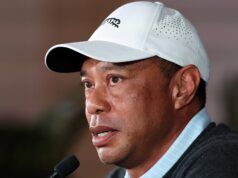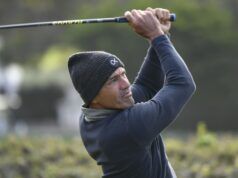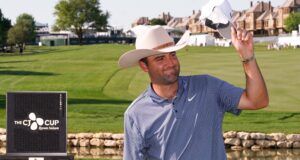


When it comes to the PGA Tour, composure is currency. Every shot demands stillness, clarity, and control. For Gary Woodland, the 2019 U.S. Open champion who once conquered Pebble Beach with relentless precision, that calm has become something far more fragile. Nearly three years after undergoing life-or-death brain surgery, Woodland has revealed a deeply personal struggle that continues to unfold far from the leaderboards: a battle with post-traumatic stress disorder.
The Emotional Toll That Followed Life-Saving Surgery

The 41-year-old PGA Tour veteran underwent surgery in September 2023 to remove a brain lesion. Surgeons performed a craniotomy, cutting a baseball-sized opening in the left side of his skull to extract as much of the tumor as possible before sealing the area with a titanium plate. The procedure was successful, saving his life and allowing him to return to professional golf. Yet survival, Woodland has now explained, did not mark the end of the ordeal.
In an emotional interview with Golf Channel reporter Rex Hoggard, Woodland described the psychological aftermath with striking honesty. The former major champion admitted he had been quietly carrying the weight of PTSD since the operation, describing a growing sense that he was “dying inside” while presenting a composed exterior on the course.
One recent incident revealed how unpredictable the condition has become. During a round, a walking scorer unexpectedly approached from behind. The moment triggered an intense reaction. Woodland became hyper-vigilant, his vision blurred, and confusion took hold as he suddenly could not remember what he was doing. When it came time to hit his shot, he found himself unable to swing.
The episode spiraled into a deeply emotional day. Woodland later described moving from bathroom to bathroom across the course, attempting to hide tears between holes before finally retreating to his car after the round. For a player whose career has been defined by mental toughness, the experience illustrated the unseen toll that trauma can impose.
When the Tumor Began Affecting His Life On and Off the Course
The origins of these struggles trace back to the tumor itself. Before surgery, Woodland endured a cascade of neurological symptoms as the growth pressed against the amygdala, the region of the brain responsible for fear and anxiety responses. Doctors reported seizures, rising anxiety, declining focus, and persistent fatigue. Even in that state, Woodland continued competing on the PGA Tour, making cuts while privately confronting a deteriorating condition.
The impact extended well beyond competition. At home, everyday family moments became overwhelming. The excitement of his three young children, son Jaxson and twin daughters Maddox and Lennox, sometimes forced him to retreat into a dark room simply to calm his brain. For Woodland, the emotional strain of those moments proved as difficult as any medical diagnosis.
Before the surgery, the uncertainty surrounding his condition led him to write letters to his children in case he did not survive the operation. In those words, he assured them that a strong support system would remain around them. The act of writing those letters, he later reflected, was among the hardest experiences of his life.
Why Woodland Refuses to Walk Away From PGA Golf
Today, Woodland continues to compete on the PGA Tour despite doctors advising him to avoid high-stress environments. Working closely with the Tour, he has implemented additional security protocols to help him feel safer while playing in large crowds.
His presence on the course now carries a different significance. Each round represents not only a return to the sport that defined his career but also a public demonstration of resilience. Woodland has expressed hope that others facing similar battles, particularly military veterans who understand PTSD firsthand, might see his effort to keep moving forward.
The fairways and greens remain familiar territory. Yet behind every swing is a quieter fight, one that cannot be measured on a scorecard but continues to shape the life of a champion who once stood atop golf’s biggest stage.