

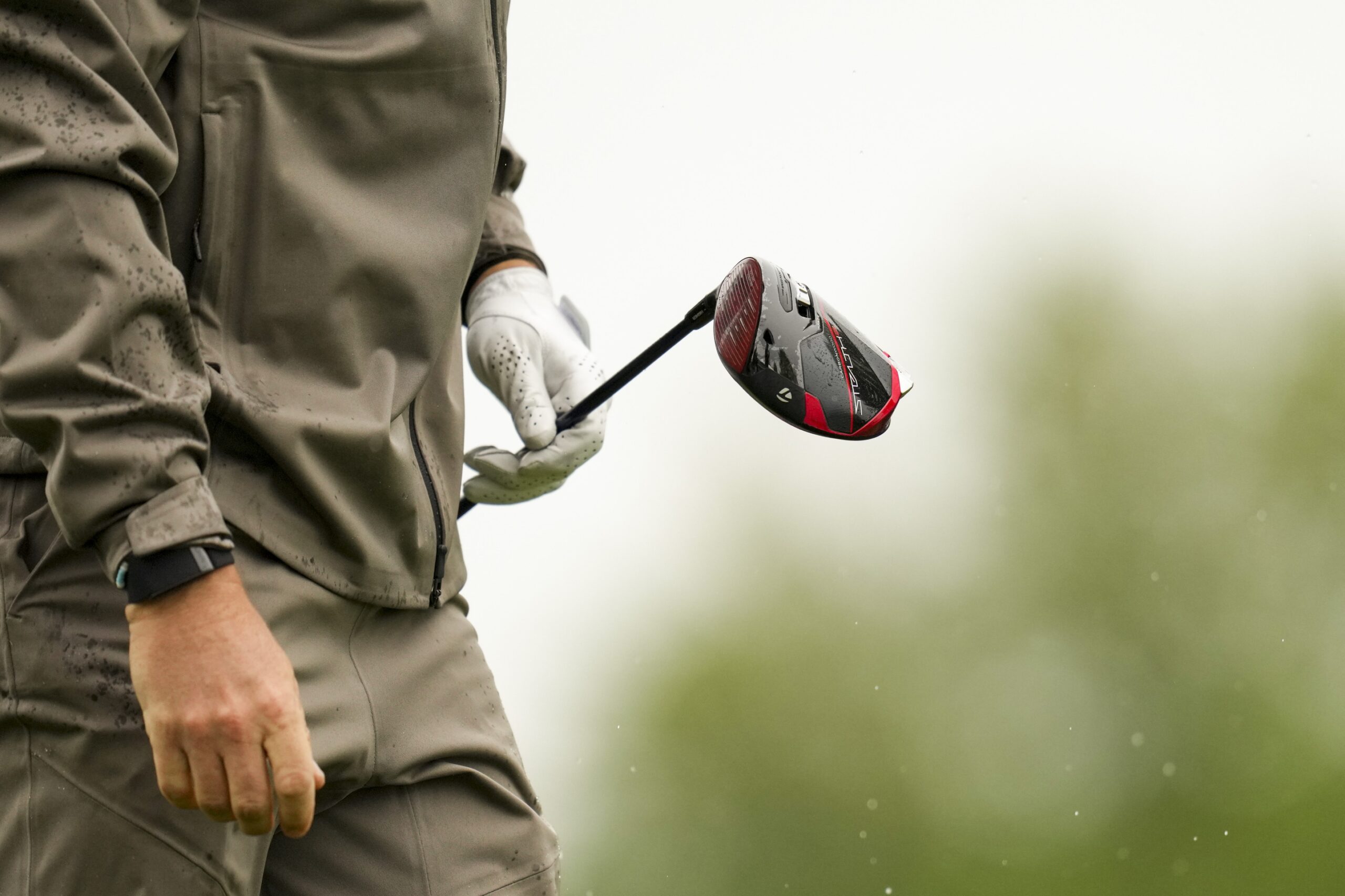
The sticker price on a used golf club has a funny way of making almost anything look like a bargain. When new drivers are flirting with the kind of numbers once reserved for airline tickets, it’s no surprise the used market is drawing more attention from everyday golfers. What often gets overlooked is that “used” doesn’t automatically mean “worn out.” In many cases, it means a club that lived in a bag for a season, saw a few range sessions, and still has plenty of performance left to give. The challenge isn’t finding used clubs. It’s knowing which ones deserve a spot in the bag and which ones are cheap for a reason.
Fit Comes Before Condition or Price

The first and most important question comes before condition or price ever enters the picture: Does the club realistically work for the golfer buying it? Used clubs shine because they’re familiar. They’ve been tested, talked about, reviewed, and often hit during demo days or fittings. That familiarity removes some of the guesswork and makes it easier to evaluate whether a club fits where a game is right now.
Age, design intent, and player profile all matter here. A club built for elite ball strikers doesn’t suddenly become forgiving just because it’s discounted. Specs matter as well. Loft, shaft flex, and overall setup should make sense for how the game is actually played today, not how it’s imagined on the best days. Buying used only works if the club starts in the right neighborhood for performance.
Understanding Risk in the Used Golf Club Market
Once fit makes sense, the conversation shifts to structural integrity. Cosmetic wear is part of the deal, but structural issues are a different story. Damage around the face, cracks near the hosel, or problems in the final inch of the shaft introduce risk that no discount can justify. Reputable used retailers usually filter out the worst examples, but knowing what to look for still matters.
Price is where many golfers get tripped up. Comparing a used price to the original retail tag can create a false sense of value. The real comparison is against the current market and the club’s actual condition. Overpaying for wear or ignoring market reality erases the advantage of buying used in the first place.
The Exit Plan Matters More Than You Think
Condition also needs to be weighed against what’s fixable. Grips are easy to replace. Normal face wear is expected. Shafts and head damage, however, quickly turn a “good deal” into an expensive project. When repair costs creep up, the savings disappear just as fast.
The final question is often ignored, but arguably the most important: what happens if the club doesn’t work out? Return windows, refund versus store credit, shipping costs, and resale potential define the true risk. Used clubs can lower that risk compared to buying new, but it never fully disappears.
With prices continuing their upward march, more used golf clubs are going to change hands this year. Asking the right questions turns that trend into an advantage, ensuring the clubs being bought don’t just save money, but actually help the game.