

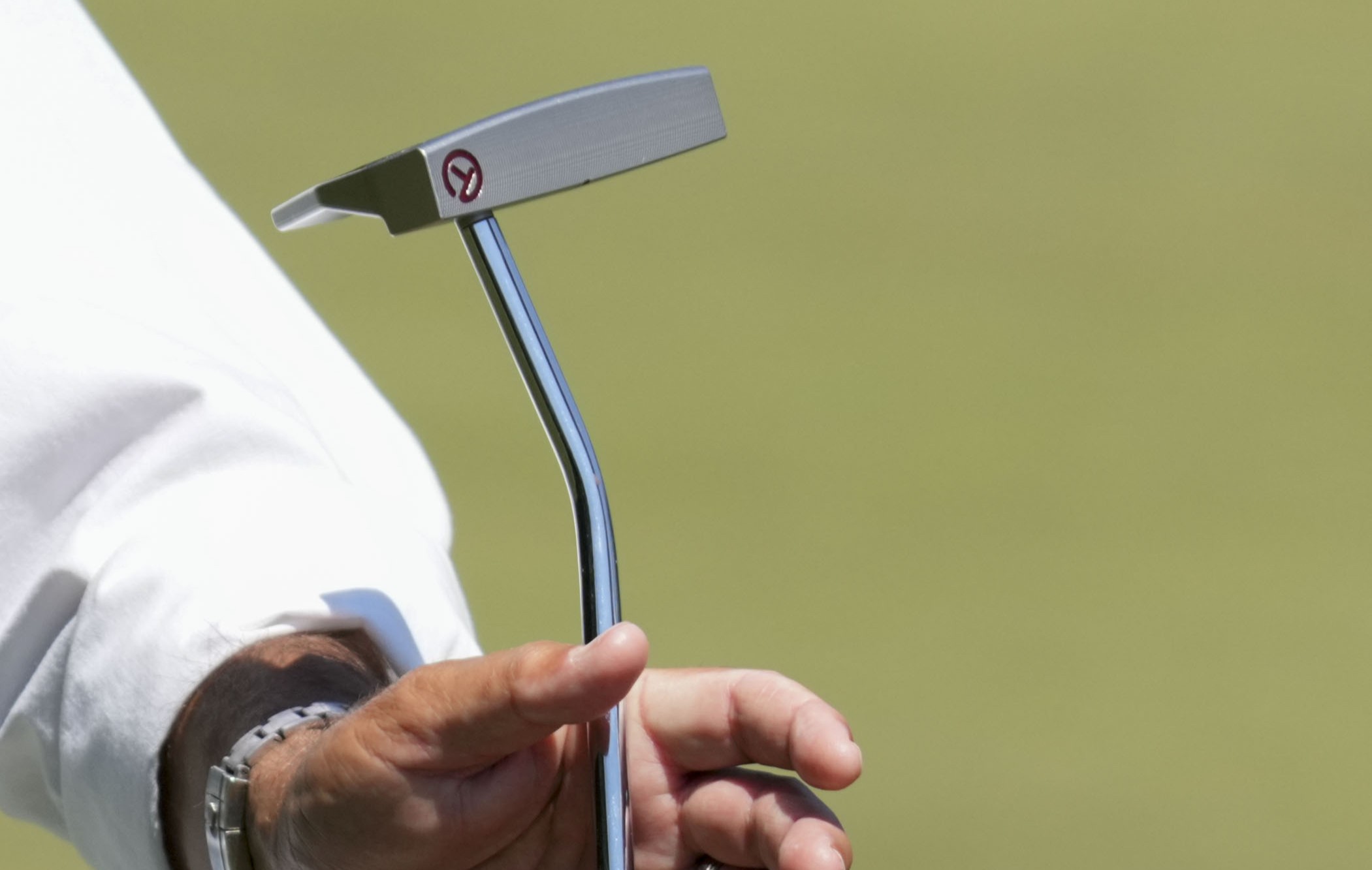
Putting is often the difference between a good round and a great one. For many golfers, the greens can be a source of frustration, but with the right drills, you can turn your putting into a strength. According to Golf.com, block practice is a key component for improving your putting, offering a structured approach that can help you build consistency and confidence.
The Importance of Block Practice
Block practice involves repeating the same putt multiple times from the same distance and direction. This method helps you develop muscle memory and refine your technique. As Joey Wuertemberger explains with Zephyr Melton, “Block practice is a key component for improving your putting.” By focusing on a single aspect of your stroke, you can identify and correct flaws more effectively.
Golf.com suggests that block practice can be particularly beneficial for golfers who struggle with consistency. When you repeatedly hit the same putt, you can better understand the feel and touch required for different distances. This repetition also helps you build a mental map of the green, which can translate into better performance on the course.
Drill 1: The Gate Drill
The Gate Drill is a simple yet effective way to improve your alignment and stroke path. Set up two tees or small markers about six inches apart, just outside the ball. The goal is to roll putts through the “gate” without hitting the markers. This drill forces you to focus on a straight stroke and ensures that your putter head moves along the intended path.
According to Golf.com, practicing this drill can help you develop a smoother, more consistent putting stroke. Start with shorter putts and gradually increase the distance as you become more comfortable. The key is to maintain the same setup and stroke, ensuring that your putts consistently roll through the gate.
Drill 2: The Ladder Drill
The Ladder Drill is designed to improve your distance control and feel. Place several balls at different distances from the hole, typically at 3, 6, 9, 12, and 15 feet. The objective is to make each putt in sequence, moving from the closest ball to the farthest. This drill helps you develop a sense of how much force is needed for different distances, which is crucial for reading greens and adjusting your stroke.
Golf.com emphasizes that the Ladder Drill is particularly useful for building confidence in your ability to control distance. By practicing this drill, you can learn to trust your instincts and make more accurate reads on the course. The repetition of hitting putts from various distances helps you internalize the feel of different lengths, making it easier to apply in real-game situations.
Drill 3: The Clock Drill
The Clock Drill is a fun and challenging way to improve your accuracy and pressure management. The goal is to make all four putts in sequence. This drill simulates the pressure of tournament play, where accuracy under stress is crucial.
Golf.com notes that the Clock Drill is excellent for building mental toughness. By practicing under simulated pressure, you can develop the ability to stay calm and focused when it matters most. This drill also helps you work on your aim and alignment, ensuring that you can hit putts with precision from different angles.
Analysis: Why These Drills Matter
Putting is a skill that requires both physical and mental precision. The three drills outlined here—The Gate Drill, The Ladder Drill, and The Clock Drill—are designed to address different aspects of putting, from alignment and stroke path to distance control and pressure management. By incorporating these drills into your practice routine, you can build a more reliable and consistent putting game.
The key to success with these drills is consistency and repetition. Just like any other skill, putting improves with practice. By dedicating time to these drills, you can develop the muscle memory and mental fortitude needed to excel on the greens. Whether you’re a weekend warrior or a seasoned pro, these drills can help you take your putting to the next level.
What’s Next: Building a Better Putting Game
As you incorporate these drills into your practice routine, you’ll likely see improvements in your putting performance. Keep track of your progress and adjust your practice sessions as needed. Over time, you’ll build the confidence and skills necessary to tackle even the toughest greens. Stay committed to your practice, and you’ll be well on your way to becoming a better putter—and a better golfer overall.