

As the calendar flips toward 2026, LIV Golf remains exactly where it began the year in its quest for legitimacy within the professional golf establishment: in limbo. The league’s bid to receive Official World Golf Ranking (OWGR) points, seen by many as essential for player relevance and major qualification, has yet to bear fruit, with OWGR officials confirming no final decision has been made on LIV’s application.
Meritocracy at the Core of OWGR Resistance
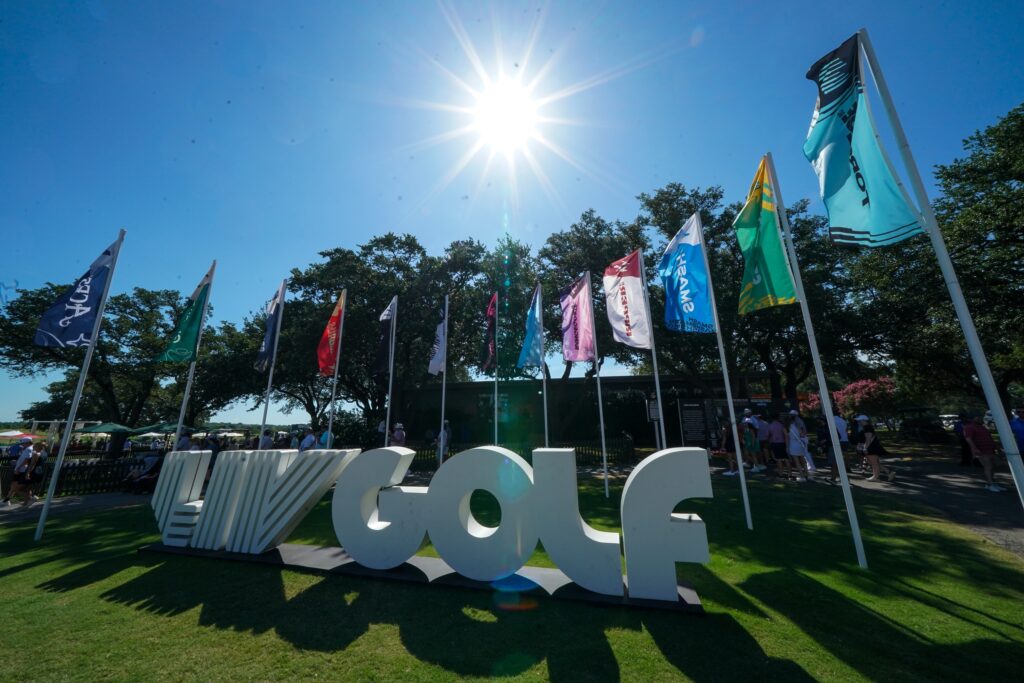
The Saudi-funded tour, which debuted in 2022 amid fanfare and controversy, continues to press for recognition from the system that underpins global competitive golf. Yet as OWGR chairman Trevor Immelman reiterated in a statement this week, “no decision to share at this time” is simply a reflection of the ongoing process. That process, he insists, is still driven by the OWGR’s founding principle: meritocracy.
At the heart of the impasse lies LIV’s structure. Unlike the 24 other sanctioned tours under the OWGR umbrella, where players qualify through transparent, performance-based criteria, most of LIV’s roster was built by invitation, lucrative, yes, but outside the traditional competitive framework. That lack of a clear qualification path remains a sticking point for OWGR approval.
LIV Golf Format Still a Factor Despite Rule Adjustments
While LIV Golf has made incremental changes, expanding its field from 54 to 57 players, allowing more promotion-based entries, and planning a move to 72-hole tournaments by 2026, those moves, for now, are not enough. In fact, the OWGR’s latest update reiterated its policy on shortened formats: tournaments played over 54 holes will receive only 75% of the original field’s ranking points, and 36-hole events will receive only 50%. These figures put LIV events, still 54-hole affairs, at a disadvantage, especially when players are competing for major championship entry points.
Interestingly, the OWGR has sanctioned other 54-hole formats, such as the MENA Tour and the Big Easy Tour, although those circuits exist as developmental stepping stones rather than rivals to the PGA or DP World Tours. That distinction is subtle but significant.
Credibility Still Earned, Not Bought
LIV’s struggle underscores the friction between innovation and tradition in golf’s slow-moving ecosystem. The league’s deep-pocketed allure has changed the financial calculus for many players, but not yet the institutional one. And while progress, as Immelman suggests, has been made, the lack of resolution only reinforces the reality: in professional golf, credibility isn’t just bought, it must be earned.

